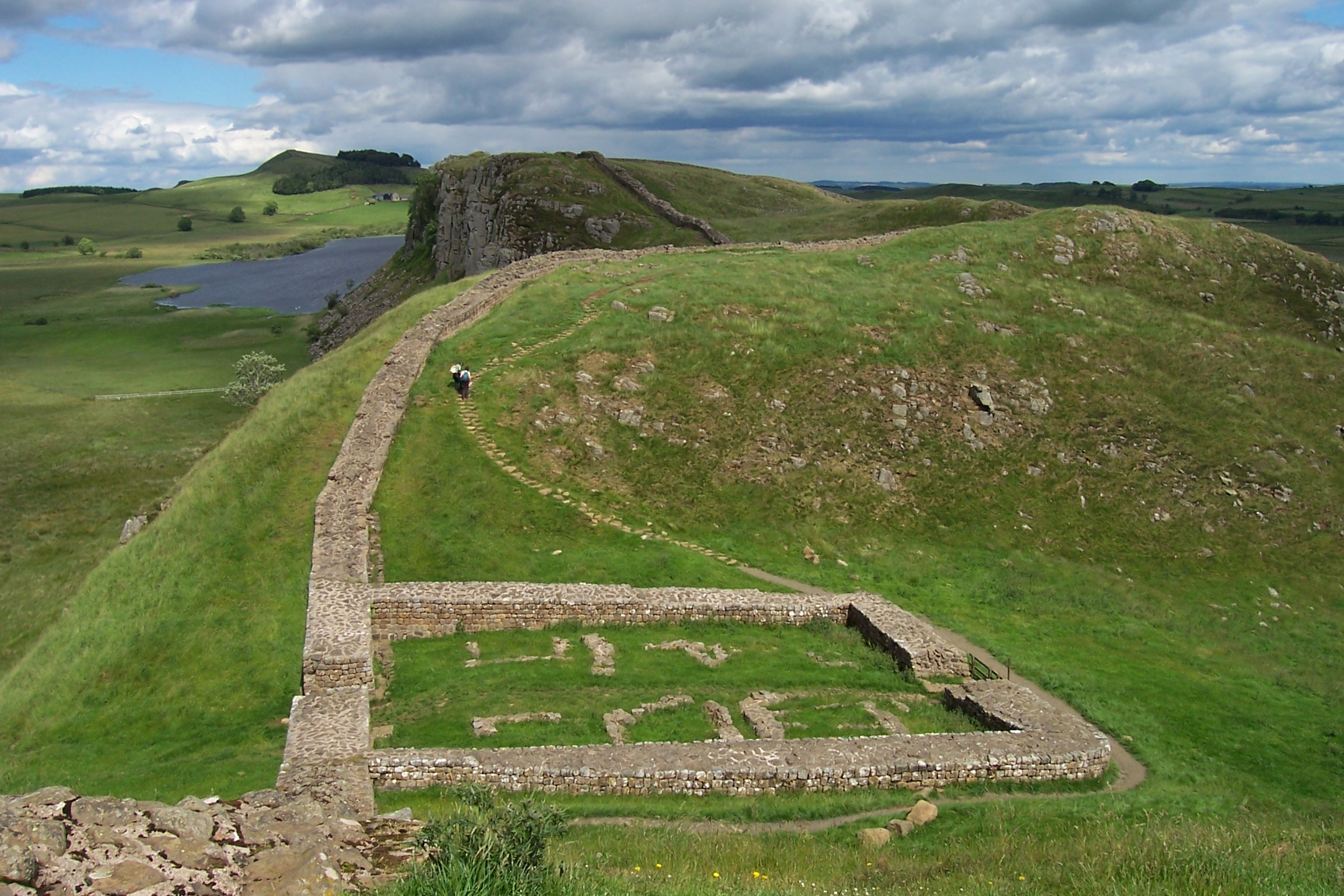
Most visitors to Northumberland see two things: Hadrian's Wall and the coastline between Bamburgh and Lindisfarne. Both are wonderful. Both are also the version of Northumberland most heavily marketed. The version we recommend to anyone with a second day in the region is the quieter one — the villages, the moors, the dark-sky reservoirs, and the stretches of coast that don't end up on calendars.
The villages
Blanchland
An eighteenth-century model village built from the stones of a twelfth-century abbey, set in a hollow on the boundary between Northumberland and County Durham. The church is the abbey's surviving chancel; the pub is the original lay brothers' hall. Blanchland is the most deliberately picturesque village in the North-East, and almost nobody outside the region knows about it.
Etal and Ford
A pair of estate villages in the Till valley, on the way to Holy Island but off the obvious route. Etal has a small ruined castle and a working watermill (Heatherslaw — fully operational, you can buy flour ground there); Ford has the most extraordinary Pre-Raphaelite murals you'll find anywhere in the country, painted by Lady Waterford in the village school. Free entry. Almost always empty.
Wooler
The market town under the Cheviots — the gateway to walking country if you want to step inland from the coast. The town itself is unremarkable; the fells above it are some of the loneliest in England.
The landscapes
Kielder Water and Forest
The largest man-made lake in northern Europe, surrounded by the largest planted forest in England, in the heart of the Northumberland International Dark Sky Park. Kielder is a destination of contrasts — engineering on a vast scale (the dam, the spillway), but inside the forest you can walk for half a day without seeing another person. The Kielder Observatory runs night-time stargazing sessions year-round.
The Cheviots
The range of rounded grass hills that forms the border between England and Scotland. Wild, almost treeless, and almost completely empty. The Pennine Way crosses the Cheviots in its final stretch; the College Valley (private estate, free pedestrian access) is one of the most beautiful side valleys.
The North Pennines
The "England's last wilderness" pitch is overused but here it's accurate. The valleys around Allendale, Stanhope, and Weardale are sparsely populated, criss-crossed with old lead-mining tracks, and full of stone-built farmhouses you wonder how anyone could afford to maintain.
The unsung coast
Druridge Bay
Between Amble and Cresswell, a seven-mile sweep of empty sand backed by reedbeds and reclaimed open-cast pits now turned into nature reserves. On a weekday in February you can walk for an hour without seeing another person. East Chevington is the best of the reserves for birdwatching.
Craster and Dunstanburgh
Craster is a tiny harbour village famous for kippers (smoked at L. Robson & Sons since 1856 — buy a brace to take home). The mile-long walk along the coast path north to Dunstanburgh Castle is one of the great short coast walks in England. The castle itself is a roofless fourteenth-century shell perched dramatically on a cliff.
Newton-by-the-Sea
A National Trust village of three sides of fishermen's cottages around a small green facing the beach. The pub (the Ship Inn) brews its own beer in the back yard. There is no through road — you arrive, you stop, you don't drive past.
How to plan a day around the quiet bits
- Avoid weekends in summer. Even the "hidden" places fill up between June and August. Tuesday in October will be magical; Saturday in July will be like a small Bamburgh.
- Don't try to combine these with the famous sights. The pleasure of Etal is its emptiness; you can't appreciate that with one foot still in Lindisfarne.
- Bring binoculars. The bird life on the reserves and at the coast is excellent and is the point of half the destinations.
- Have a backup café in mind. Many of these villages have one place to eat, and it sometimes shuts on a Tuesday afternoon.
The Northumberland that the locals love isn't the Northumberland on the postcards. It's a quieter, slower, less-photographed county where the best afternoons are spent in places nobody has heard of, eating crab sandwiches in a village with one pub.
Going with us
We can build private day trips around any of the destinations above for groups of any size. Get in touch if you'd like a custom day on the quieter side of Northumberland — it's some of our favourite work.
Ready to plan your trip?
Let our travel experts create the perfect itinerary for you.